Objective
To construct an efficient optimizer capable of maintaining search diversity in early iterations while preserving stable convergence pressure in later iterations.
Metaheuristic Optimization Study
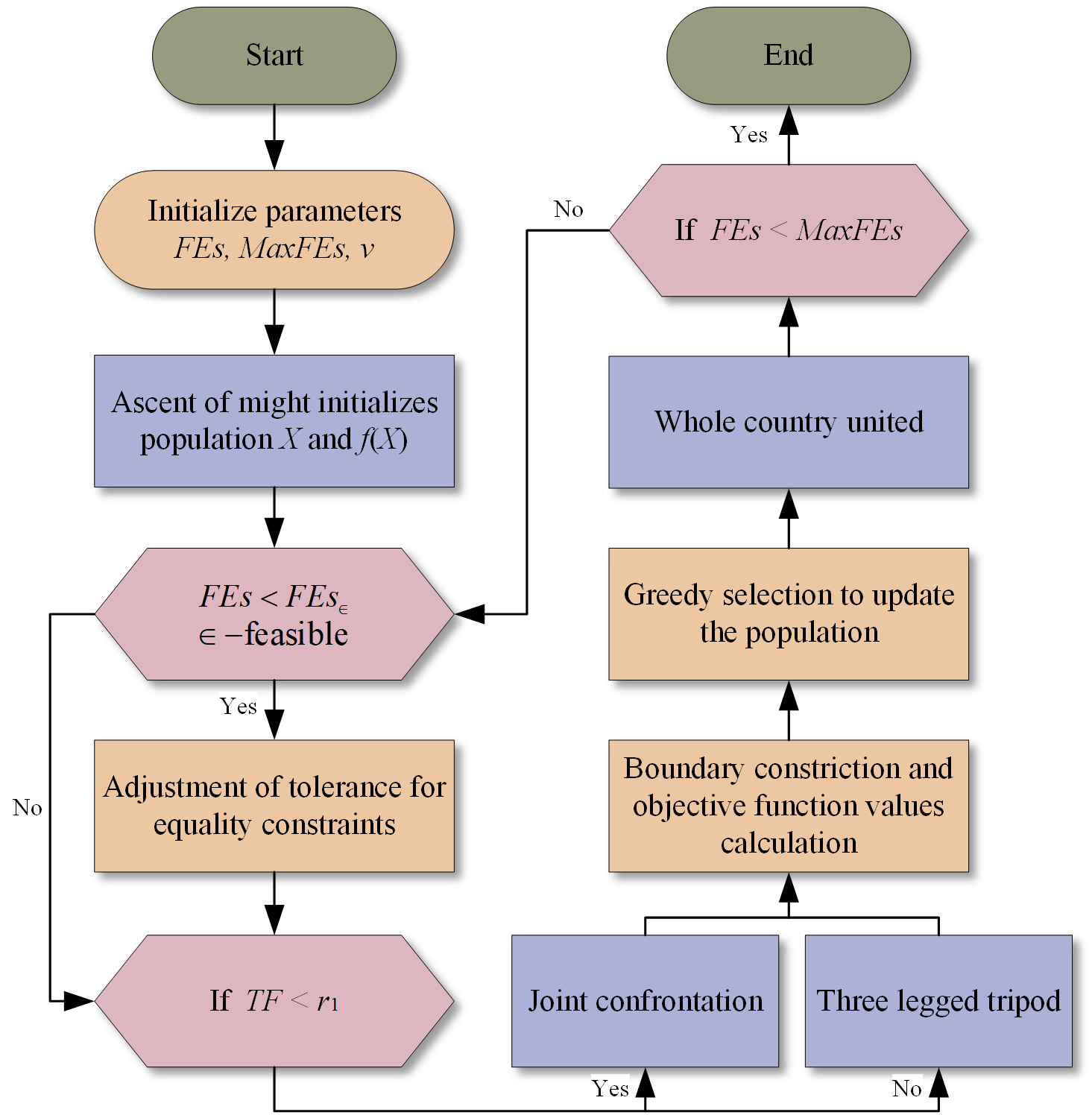
KING formulates a stage-wise population evolution strategy that couples adaptive confrontation, Levy-assisted local refinement, and consensus-guided convergence for nonlinear global optimization.
A concise research-oriented summary of the formulation and empirical behavior of KING.
To construct an efficient optimizer capable of maintaining search diversity in early iterations while preserving stable convergence pressure in later iterations.
KING integrates staged interactions among candidate solutions through elite guidance, randomized confrontation, and adaptive control of search power.
Reported experiments indicate that KING demonstrates competitive performance on benchmark optimization suites and practical optimization tasks.
The algorithm offers a balanced and robust search mechanism with reduced premature convergence risk, suitable for complex continuous optimization scenarios.
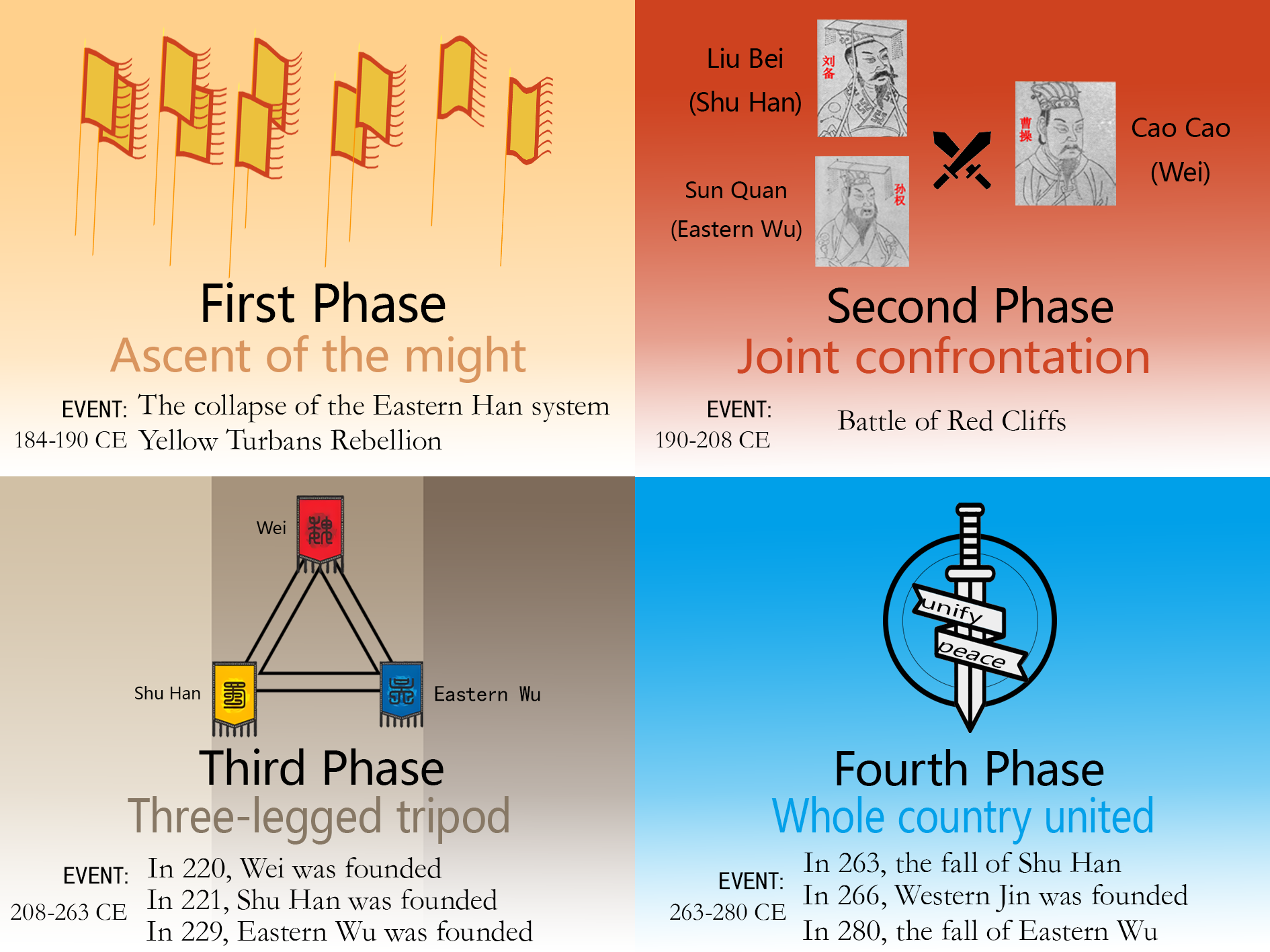
Four coordinated stages are employed to model the transition from global exploration to refined exploitation.
The initialization stage evaluates candidate quality and calibrates adaptive search pressure, establishing a principled trajectory for exploration intensity.
Candidate updates are generated by weighted interactions among elite references, current states, and random perturbations, expanding feasible-domain coverage.
Local refinements combine better-solution guidance with Levy-driven motion, enabling effective escape from deceptive local optima.
Consensus updates around high-quality solutions reinforce convergence reliability, while boundary absorption preserves numerical feasibility.
Sequentially coupled operators support a smooth exploration-to-exploitation transition.
Adaptive power control and confrontation dynamics regulate diversification and intensification.
Consensus refinement improves late-stage convergence behavior across complex landscapes.